Sources you can see
Original guidance stays clearly attributed to the organisation that published it.
About We Are Standly
When a child is being bullied, parents can find themselves trying to understand school processes, government guidance, online safety information and support options while also worrying about their child. Standly exists to make the information side of that experience easier to navigate.
Why Standly exists
There is useful information available to families dealing with bullying. But it can be spread across schools, education departments, safety organisations and support services, each written for a different purpose.
For a parent already under pressure, finding that information is only part of the job. They may also need to work out what is relevant to where things are now, how different pieces connect and where the original guidance came from.
Standly is being built around a simple idea: trusted information is more useful when it is easier to navigate.
What Standly does
Standly helps parents navigate difficult peer experiences by understanding what may be happening, identifying the trusted information and pathways relevant to their situation, organising what they know, and preparing for constructive conversations with educators.
Standly does not decide whether bullying has occurred, tell a parent what they must do or replace the organisations responsible for providing official guidance.
Instead, it helps explain what may be relevant, where to find it and how the different pieces fit together. What you do with that information stays with you and your family.
How we build trust
Standly is independent. We are not part of or endorsed by the NSW Department of Education.
When Standly refers to government or other trusted guidance, we show where it comes from and link back to the original source so parents can check it for themselves.
The product is being shaped through parent research, usability testing, review of Australian sources and specialist input where expert judgment is needed.
Original guidance stays clearly attributed to the organisation that published it.
Standly organises and explains information. It does not decide what a family should do.
The first Navigator focuses on parents and carers of children in NSW public schools so we can learn before expanding.
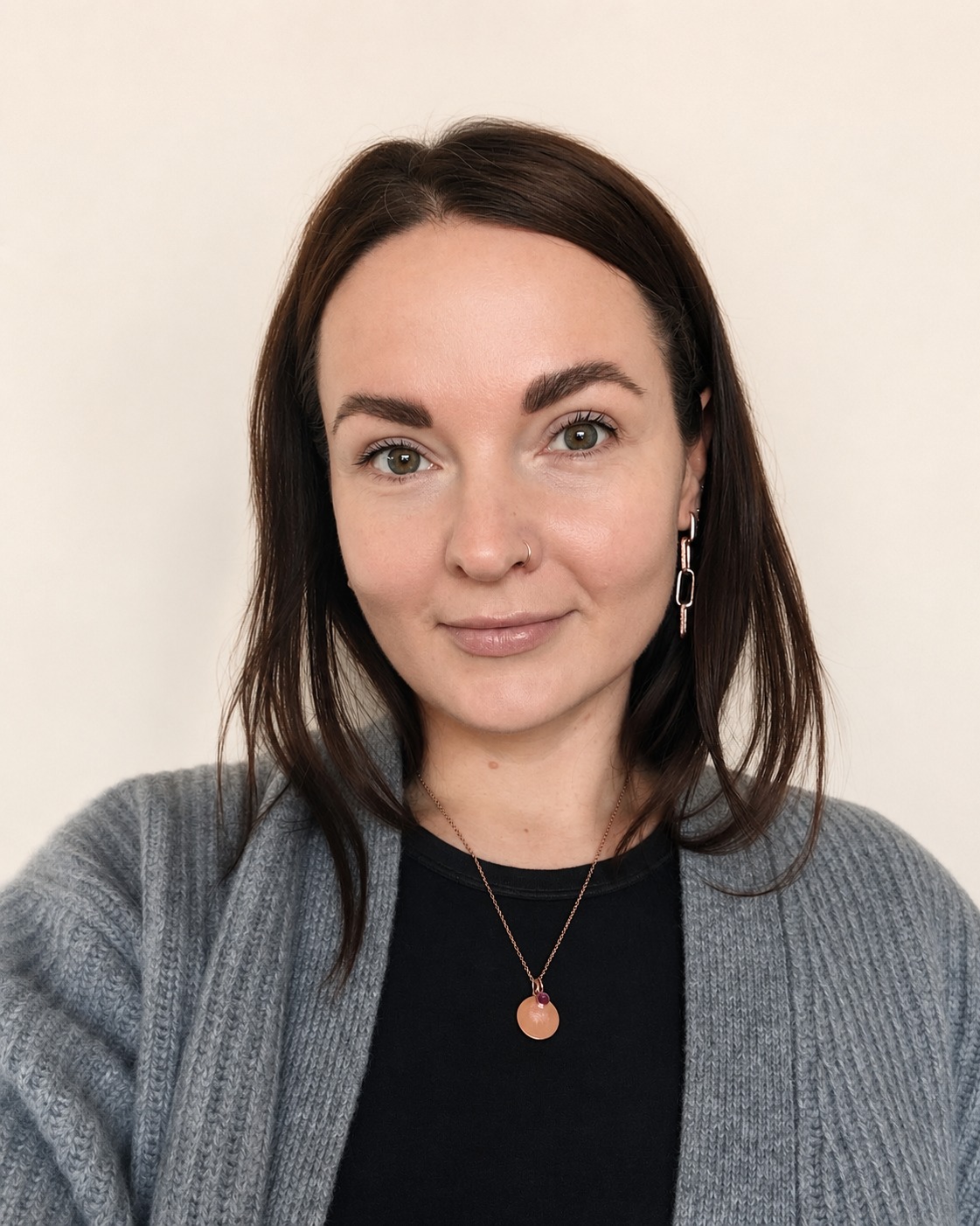
Why I started Standly
I was bullied when I was younger, but I never told my parents what was happening. After I became a parent myself and joined different parent groups on Facebook, I kept coming across posts from other parents asking what they should do when their child was being bullied. They sounded overwhelmed, unsure where to turn and worried about making things worse.
Those posts stayed with me. I could imagine what the child might be feeling, but I had never really thought about what it must be like to be the parent trying to help. I couldn’t begin to imagine what those families were carrying while also trying to understand school processes, online safety information and what options were available to them.
My professional background is in operations and risk management. I’ve spent much of my career working in complex environments, building better systems, improving how things work and helping people navigate processes that are not always straightforward. That experience shapes how I’m building Standly.
I’m not a clinician, lawyer, educator or bullying researcher. Standly is not built around pretending I am. It is built around trusted sources, transparent attribution, research with parents and specialist input where it is needed.
The aim is to make one part of a difficult experience simpler: understanding what information may be relevant and where to find it.
Where we are starting
The first Standly Navigator is focused on parents and carers of children in NSW public schools. That scope is deliberate.
Standly is still early. We want to learn from the people who use it, understand where it genuinely helps and improve the parts that do not yet do enough.
As Standly develops, the aim is to expand where the research shows there is a real problem we can help solve, rather than adding things simply because we can.
I’d genuinely like to hear from you.